
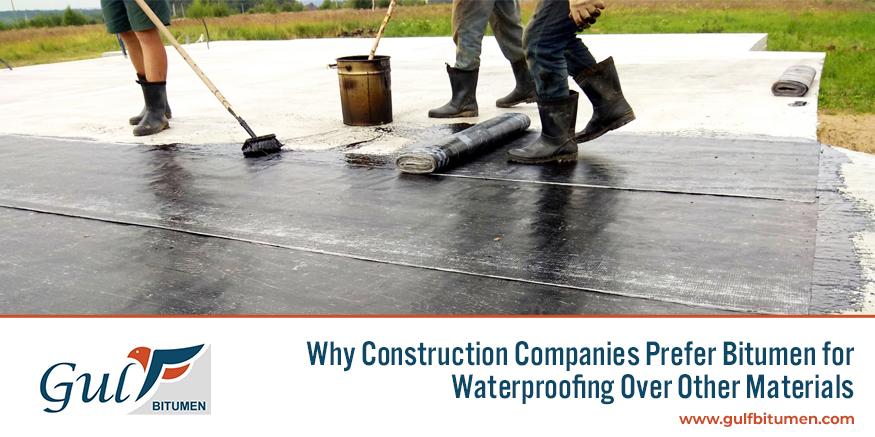
Waterproofing is one of the most vital components of any construction project, whether it’s high‑rise buildings in Dubai’s skyline, luxury villas in Abu Dhabi, or industrial complexes in Sharjah. In the fast‑paced UAE construction world, where temperatures soar and structures must withstand extreme climatic conditions, selecting the right waterproofing solution can make or break the longevity of a project.
Among the many waterproofing options on the market today, bitumen for waterproofing stands out as the preferred choice for construction companies across the Emirates. From commercial developers to government infrastructure projects, bitumen continues to dominate the waterproofing landscape. But why is that the case?
In this blog, we’ll explore the reasons why construction professionals trust bitumen, particularly penetration grade options, over alternative materials, and why its performance, cost‑effectiveness, and compatibility with UAE conditions make it the smart choice for waterproofing needs.
What Is Bitumen Waterproofing?
Bitumen waterproofing is one of the most trusted solutions for protecting structures against water damage, particularly in regions like the UAE, where buildings face extreme heat, sudden rain, and high humidity.
At its core, bitumen, sometimes referred to as asphalt, is a sticky, viscous material derived from crude petroleum. Its unique composition makes it highly effective at forming a waterproof barrier, which is why it’s widely used across roofs, floors, foundations, and terraces.
How Bitumen Works
In waterproofing applications, bitumen is applied as a membrane, either:
- Liquid-applied: Offers seamless coverage for irregular surfaces and complex structures.
- Sheet-applied: Provides a durable, prefabricated layer that is quick to install and long-lasting.
Once applied, bitumen membranes:
- Prevent water infiltration and moisture damage.
- Adhere firmly to surfaces, ensuring a secure barrier.
- Remain flexible, accommodating temperature fluctuations without cracking.
- Withstanding UV exposure, making them ideal for rooftop applications.
Why It’s Ideal for UAE Conditions
The Middle East’s extreme temperatures and sudden rainfall events demand a waterproofing solution that performs consistently. Bitumen’s proven ability to resist heat, humidity, and movement makes it a reliable choice for both commercial and residential construction projects across the Emirates.
With its versatility, durability, and ease of application, bitumen waterproofing continues to be the preferred material for developers and contractors looking to protect their investments while ensuring long-term performance.
The UAE Climate – A Waterproofing Challenge
Construction in the UAE comes with unique environmental demands that test the durability of building materials. From scorching summers to sudden rainfall, structures need waterproofing solutions that can withstand these harsh conditions.
This is one of the main reasons why bitumen waterproofing remains the preferred choice among UAE contractors and developers.
Key Environmental Challenges
The UAE’s climate presents several factors that make waterproofing particularly challenging:
- High Temperatures: Summer temperatures regularly exceed 40°C (104°F), putting intense stress on building materials and causing expansion, warping, or cracking in traditional waterproofing layers.
- Sudden Rainfall: Though rainfall is infrequent, seasonal downpours can be heavy and cause flooding or seepage if the waterproofing is inadequate.
- High Humidity: Coastal cities like Dubai and Abu Dhabi experience persistent humidity, which accelerates moisture-related deterioration in vulnerable structures.
- Thermal Expansion and Contraction: Daily and seasonal temperature fluctuations cause continuous expansion and contraction in buildings, demanding waterproofing that can flex without losing integrity.
Why Bitumen Performs Better
Unlike conventional waterproofing materials that may become brittle or fail under these extreme conditions, bitumen membranes are designed to:
- Adapt to temperature changes without cracking.
- Provide a seamless barrier against water and moisture ingress.
- Maintain long-term durability even in high humidity environments.
- Offer reliable performance on rooftops, podiums, and underground structures alike.
By combining flexibility, adhesion, and durability, bitumen waterproofing ensures that buildings in the UAE stay protected against the region’s toughest climatic challenges, making it the go-to solution for construction companies across the Emirates.
1. Proven Performance and Reliability
The most compelling reason construction companies trust bitumen for waterproofing is its track record. For decades in the UAE, bitumen systems have protected structures in harsh conditions without frequent failures.
Bitumen membranes, whether modified or standard grades, offer:
- Waterproof Integrity: Once applied correctly, bitumen waterproofing creates a seamless barrier that blocks moisture entry effectively.
- Durability: Bitumen stands up to abrasion, foot traffic, and long term weathering, which is crucial for multi‑storey buildings and high‑traffic areas.
- Resistance to UV Exposure: The UAE’s intense sunlight can degrade some materials rapidly, but bitumen, especially with protective layers or coatings, resists UV damage better.
All these factors build confidence among project managers and engineers, making bitumen waterproofing a default choice rather than an experimental option.
2. Adaptability to Multiple Applications
Unlike some waterproofing materials which serve only a narrow set of purposes, bitumen is highly adaptable. Bitumen waterproofing suits a range of applications including:
Roof Waterproofing
Whether it’s a rooftop terrace in Downtown Dubai or an expansive roof of an industrial warehouse, bitumen membranes provide consistent protection against rainfall and standing water.
Basement and Foundation Walls
Structures in the UAE often require solid below‑ground waterproofing. Bitumen coatings and membranes keep soil moisture from penetrating concrete walls.
Podium Decks and Balconies
Bitumen can be built up in layers to protect surfaces exposed to both foot traffic and water immersion.
Water Tanks and Reservoirs
For civil infrastructure, bitumen waterproofing forms a reliable barrier in water storage structures.
In each case, bitumen’s performance remains consistent, adapting to surface types and exposure conditions.
3. Cost‑Effectiveness – Bitumen Price Advantage
In the construction world, cost plays a major role in material selection. Bitumen offers a compelling price‑to‑performance ratio that few alternatives can match. When construction companies evaluate bitumen price per ton, they recognise that:
- Bitumen is generally more affordable than many high‑end synthetic membrane alternatives.
- Its longevity reduces the frequency of maintenance and replacement costs.
- The ease of installation accelerates project timelines, saving on labour costs.
Simply put, the upfront investment in bitumen waterproofing is outweighed by its long‑term value. For large scale construction projects in the UAE, this economic advantage can lead to significant budget savings without compromising quality.
4. Consistency and Quality – Penetration Bitumen Grades
Understanding the consistency of bitumen is crucial, and this is where penetration bitumen grades come into play.
Penetration bitumen refers to bitumen classified according to its consistency, essentially how soft or hard it is under specific test conditions. The measurement helps engineers and procurement teams choose the right grade for their application, for example:
- A softer bitumen grade might be ideal for colder areas or where flexibility is paramount.
- Harder penetration grades may suit high‑temperature environments where structural rigidity matters.
The penetration bitumen test is a standard method used globally to quantify this property. In the UAE context, knowing the suitable penetration grade allows construction teams to specify the optimal bitumen type for climatic conditions, ensuring performance isn’t compromised.
The availability of reliable penetration graded bitumen increases confidence among construction companies. They know what they are purchasing, and how it will behave in real‑world conditions.
5. Ease of Installation – Time Is Money
In the UAE’s competitive construction landscape, time is a major factor. Delays can mean financial penalties, rescheduling of equipment, and unhappy stakeholders.
Bitumen waterproofing systems are generally:
- Easy to heat and apply (for hot‑applied systems)
- Flexible and conformable to surface irregularities
- Compatible with standard construction workflows
Compared to some complex synthetic systems which may require specialised adhesives, intricate layering, or lengthy curing times, bitumen often installs quickly and reliably with experienced applicators. Contractors appreciate this, quicker turnaround means less downtime and faster project progress.
6. Compatibility With Other Building Materials
Bitumen’s chemical and physical properties make it compatible with a wide range of construction substrates including concrete, steel, and masonry. Its ability to bond well ensures a continuous waterproofing layer without weak points.
For instance:
- Bitumen adheres effectively to concrete, which is the backbone of most UAE construction.
- It can integrate with protective screeds, insulation layers, and finishing materials without issues.
This compatibility reduces the risk of delamination, a common issue when materials fail to stick properly over time.
7. Proven in Harsh Climates – A UAE Necessity
The UAE isn’t a mild environment. The combination of:
- Intense heat
- Sudden rainstorms
- Humidity in coastal zones
- Thermal cycling
creates a unique test for waterproofing systems. While some materials may crack, shrink, or degrade, bitumen has proven itself through decades of use in similar environments.
Whether it’s protecting Dubai’s towering skyscrapers or the sub‑grade parking structures in Abu Dhabi’s urban core, bitumen waterproofing consistently delivers reliable performance. This historical track record builds trust among construction decision‑makers.
8. Lower Long‑Term Maintenance
Waterproofing isn’t just about initial protection, it’s about durability over the lifespan of the structure. A failed waterproofing system can lead to:
- Structural damage
- Corrosion of reinforcement
- Mould and interior damage
- Costly repairs and downtime
Bitumen systems tend to require less frequent maintenance compared to some newer materials. Their robustness means fewer repair callbacks and less long‑term intervention, a significant advantage for large commercial projects where ongoing maintenance can be disruptive and expensive.
9. Availability and Supply Chain Strength
Across the UAE, bitumen products, including penetration grade options, are widely available through reliable suppliers. This supply chain strength is another reason companies prefer bitumen waterproofing:
- Consistent availability reduces procurement delays
- Bulk orders are feasible for large projects
- Suppliers often offer technical support and delivery schedules aligned with construction timelines
This logistical smoothness is vital in the UAE’s fast‑moving construction market where delays can be costly.
10. Sustainability and Recycling Potential
While the construction world increasingly focuses on sustainability, bitumen also offers advantages here. Bitumen is recyclable, old bituminous membranes and roofing materials can be reclaimed and reused in new applications, reducing waste.
Though not all projects prioritise recycling yet, increasing awareness of environmental impact means construction firms are starting to value materials that can be responsibly reused, another positive mark for bitumen.
Comparing Bitumen to Alternative Waterproofing Materials
While several alternatives exist, bitumen waterproofing continues to lead due to its proven reliability, adaptability, and long-term value.
Common Alternatives and Their Limitations
Construction teams often consider a few popular alternatives, but each comes with challenges:
Cementitious Coatings:
- Easy to apply and cost-effective initially.
- Rigid and prone to cracking under thermal expansion or building movement, which can compromise long-term protection.
EPDM and Synthetic Membranes:
- Highly flexible and durable under controlled conditions.
- Can be expensive and often require specialised installers.
- May degrade under prolonged UV exposure unless additional protective layers are applied.
Polyurethane Liquids:
- Provide seamless coverage and flexibility.
- Sensitive to environmental conditions during application.
- Higher material costs and careful preparation required for optimal results.
Why Bitumen Stands Out
Compared to these alternatives, bitumen for waterproofing offers a practical balance of performance, cost, and resilience. Key advantages include:
- Affordability: Competitive bitumen price per ton makes it suitable for large-scale projects.
- Climate Resilience: Performs reliably under UAE’s high temperatures, humidity, and occasional rainfall.
- Durability: Flexible enough to withstand thermal expansion and contraction without cracking.
- Ease of Installation: Compatible with various substrates and can be applied as sheets or liquid membranes for seamless protection.
For developers and contractors in the Emirates, this combination of factors ensures that bitumen remains the preferred choice, delivering long-lasting waterproofing solutions across residential, commercial, and industrial projects.
The Smart Choice for UAE Construction
In a region where building performance is tested by some of the harshest environmental factors on earth, construction companies must rely on solutions that are proven, dependable, and cost‑effective. Bitumen waterproofing ticks all these boxes, and its long history in the UAE market reinforces its position as the go-to waterproofing material.
From the perspective of both engineers and project managers, selecting the right waterproofing material is never just about price, it’s about performance over the life of the building. Bitumen offers durability, flexibility, and reliable protection, making it ideal for residential, commercial, and industrial projects across the Emirates.
As the UAE continues building upward and outward, from cutting-edge commercial hubs to thriving residential districts, bitumen waterproofing will remain a cornerstone of resilient, long-lasting construction.
Contact Gulf Bitumen For premium bitumen products, expert advice on penetration grades, or tailored waterproofing solutions for your next project, contact Gulf Bitumen today.