
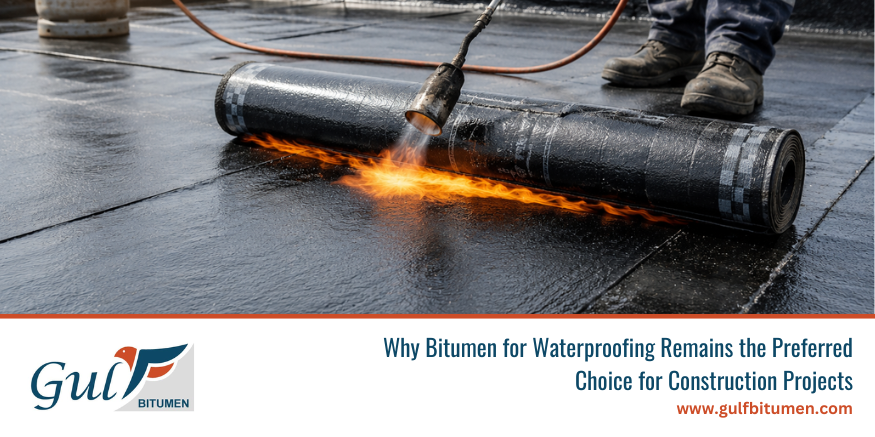
Waterproofing plays a vital role in protecting modern structures from moisture-related damage and ensuring long-term durability. Whether for residential buildings, commercial properties, industrial facilities, bridges, tunnels, or large infrastructure projects, effective waterproofing helps prevent structural deterioration, corrosion, mold growth, and costly repairs.
Among the various waterproofing solutions available today, bitumen for waterproofing remains one of the most trusted and widely used materials in the construction industry.
Its excellent water resistance, flexibility, durability, and cost-effectiveness make it suitable for a wide range of applications, including roofs, basements, foundations, and underground structures.
As construction standards continue to evolve, contractors and developers rely on bitumen-based systems to deliver dependable protection in demanding environments.
With its proven performance and versatility, bitumen for waterproofing continues to be a preferred choice for projects seeking long-lasting protection, reduced maintenance requirements, and enhanced structural integrity.
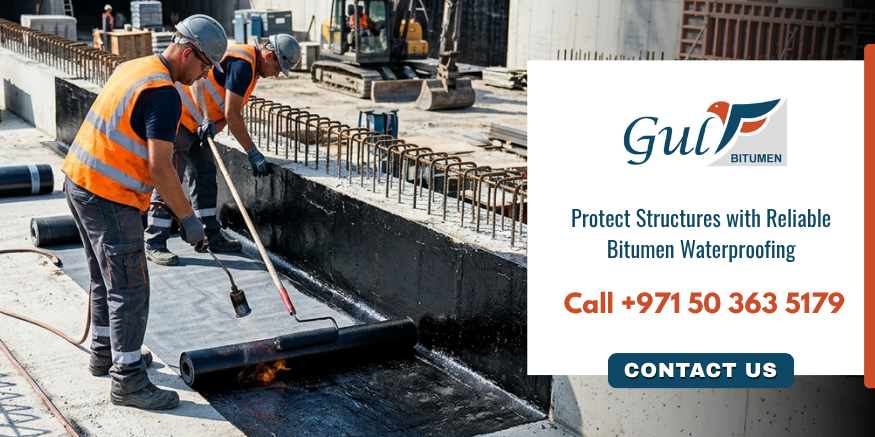
Understanding Bitumen and Its Waterproofing Capabilities
Bitumen is a highly viscous material derived from petroleum refining processes. Its natural water-resistant properties make it an ideal choice for waterproofing applications. When applied to surfaces, bitumen creates a continuous protective barrier that prevents water penetration and shields underlying materials from moisture damage.
One of the primary reasons bitumen has remained popular for decades is its ability to maintain waterproofing performance under various environmental conditions. It can withstand prolonged exposure to water, fluctuating temperatures, and physical stresses while continuing to protect the structure beneath.
Bitumen waterproofing products are available in several forms, including:
- Bitumen emulsions
- Oxidized bitumen
- Polymer-modified bitumen
- Cutback bitumen
- Waterproofing membranes
- Protective coatings
Each type offers unique advantages depending on the project requirements, application method, and environmental conditions.
The Growing Importance of Waterproofing in Construction
Construction projects today face greater demands than ever before. Buildings are expected to last longer, require less maintenance, and provide higher levels of safety and comfort. Waterproofing plays a fundamental role in achieving these objectives.
Preventing Structural Deterioration
Water infiltration is one of the leading causes of structural damage. Over time, moisture can weaken concrete, corrode steel reinforcement, and compromise the integrity of building components.
Common issues caused by water intrusion include:
- Cracked concrete
- Surface deterioration
- Rust formation
- Structural weakening
- Material degradation
Effective waterproofing prevents these problems and extends the lifespan of the structure.
Reducing Maintenance Costs
Repairing water damage can be expensive and disruptive. Investing in high-quality waterproofing during construction significantly reduces future maintenance expenses.
Enhancing Property Value
Buildings with reliable waterproofing systems often retain their value better because they experience fewer moisture-related issues over time.
Improving Occupant Comfort
Waterproofing helps maintain dry, healthy indoor environments by preventing dampness, mold growth, and unpleasant odors.
Why Bitumen Continues to Dominate Waterproofing Applications
Exceptional Water Resistance
The most important characteristic of bitumen for waterproofing is its outstanding ability to repel water. Bitumen forms an impermeable barrier that prevents moisture from penetrating surfaces.
This makes it highly effective for protecting:
- Roofs
- Basements
- Foundations
- Retaining walls
- Tunnels
- Water tanks
- Underground structures
Unlike some materials that may degrade when exposed to continuous moisture, bitumen maintains its protective properties for extended periods.
Long-Term Durability
Durability is a major consideration when selecting waterproofing materials. Construction professionals require solutions that can provide reliable protection for many years without frequent repairs or replacement.
Bitumen is known for its ability to withstand:
- Heavy rainfall
- Humidity
- Temperature fluctuations
- Groundwater exposure
- Environmental stress
Its long service life contributes to lower lifecycle costs and improved project sustainability.
Excellent Flexibility
Buildings and infrastructure naturally experience movement due to:
- Thermal expansion and contraction
- Structural settlement
- Wind loads
- Traffic vibrations
- Ground movement
Waterproofing materials that lack flexibility may crack under these conditions.
Bitumen remains flexible even after application, allowing it to accommodate minor movements without losing its waterproofing effectiveness.
Benefits include:
- Reduced cracking
- Better performance under stress
- Improved durability
- Enhanced protection against leaks
Strong Adhesion to Multiple Surfaces
Bitumen exhibits excellent adhesion to a wide variety of construction materials.
These include:
- Concrete
- Steel
- Masonry
- Wood
- Metal surfaces
Strong adhesion helps create a seamless waterproofing layer that reduces the risk of water penetration and system failure.
Cost-Effective Performance
Budget considerations influence every construction project. One reason bitumen remains widely used is its ability to deliver excellent performance at a competitive cost.
Project managers often evaluate:
- Initial material costs
- Application expenses
- Maintenance requirements
- Service life
- Overall return on investment
When these factors are considered together, bitumen often proves to be one of the most economical waterproofing solutions available.
Many contractors monitor bitumen price trends and compare market rates before procurement to optimise project budgets.
The Rise of Cold Applied Waterproofing Solutions
Technological advancements have introduced more efficient waterproofing methods, including the growing use of cold emulsion bitumen products.
Traditional hot-applied materials require heating equipment and specialised handling procedures. Cold-applied solutions eliminate many of these requirements, making application easier and safer.
Advantages include:
- Reduced energy consumption
- Faster installation
- Improved safety
- Lower labour requirements
- Simplified handling
These benefits have contributed to the widespread adoption of cold-applied waterproofing systems in modern construction.
Why Cold Emulsion Bitumen Is Becoming Increasingly Popular
The growing popularity of cold emulsion bitumen is driven by its versatility and practical advantages.
Easier Application
Cold-applied products can often be used directly without extensive preparation or heating.
Improved Safety
Reducing the need for high-temperature application lowers workplace risks and improves site safety.
Better Coverage
Cold emulsions spread evenly across surfaces, creating consistent waterproofing protection.
Versatile Use
These products are suitable for various construction applications, including:
- Foundations
- Roofs
- Walls
- Pipelines
- Structural steel
As construction practices continue to evolve, cold emulsion bitumen is expected to play an increasingly important role in waterproofing projects.
Key Applications of Bitumen Waterproofing
Roof Waterproofing
Roofs are constantly exposed to weather conditions and require reliable protection against water penetration.
Bitumen waterproofing systems offer:
- Leak resistance
- UV protection
- Long-term durability
- Weather resistance
This makes them suitable for both residential and commercial roofing applications.
Basement Waterproofing
Basements are particularly vulnerable to groundwater intrusion and moisture accumulation.
Bitumen coatings help:
- Prevent water seepage
- Protect structural components
- Reduce dampness
- Improve indoor conditions
Proper basement waterproofing contributes significantly to building longevity.
Foundation Waterproofing
Foundations are continuously exposed to soil moisture and groundwater pressure.
Bitumen waterproofing systems provide a protective barrier that helps safeguard foundations against:
- Water infiltration
- Soil moisture
- Chemical exposure
- Long-term deterioration
Strong foundation protection is essential for maintaining structural stability.
Tunnel Waterproofing
Underground structures require specialised waterproofing solutions due to constant exposure to moisture.
Bitumen-based systems are commonly used in:
- Transportation tunnels
- Utility tunnels
- Underground parking facilities
- Subterranean infrastructure
Their flexibility and durability make them particularly effective in these demanding environments.
Bridge Protection
Bridges face continuous environmental exposure and mechanical stress.
Bitumen waterproofing helps protect:
- Concrete decks
- Expansion joints
- Structural elements
This reduces maintenance needs and extends service life.
The Importance of Choosing the Right Bitumen Products
Not all waterproofing applications have identical requirements. Selecting the appropriate bitumen product is essential for achieving optimal performance.
Factors to consider include:
Environmental Conditions
Projects located in areas with extreme weather conditions may require specialised formulations.
Surface Type
Different substrates may require specific products to ensure proper adhesion.
Application Method
Some projects benefit from spray-applied solutions, while others may require brush or roller application.
Project Scale
Large infrastructure projects often require products designed for high-performance applications.
Working with an experienced bitumen supplier in uae can help contractors identify the most suitable products for their specific needs.
How Bitumen Supports Sustainable Construction
Sustainability has become a major focus in the construction industry. Modern waterproofing systems are increasingly evaluated based on their environmental impact and long-term performance.
Bitumen contributes to sustainable construction through several key advantages.
Extended Service Life
Long-lasting waterproofing systems reduce the need for frequent replacement.
Lower Maintenance Requirements
Durable protection minimises repair activities and material consumption.
Reduced Waste
Efficient application methods help minimise product waste.
Energy-Efficient Application
Many cold emulsion bitumen products require little or no heating, reducing energy usage during installation.
These benefits align with modern sustainability objectives while maintaining high performance standards.
Understanding Bitumen Cold Mix Technology
Another important development in the industry is bitumen cold mix technology.
Although commonly associated with road maintenance and pavement repair, cold mix products demonstrate the versatility of bitumen-based solutions.
Benefits of bitumen cold mix include:
- Easy application
- Reduced equipment requirements
- Lower energy consumption
- Improved worksite efficiency
Applications may include:
- Road repairs
- Infrastructure maintenance
- Temporary surface restoration
- Utility trench reinstatement
The increasing adoption of bitumen cold mix products highlights the industry’s ongoing preference for practical and efficient bitumen technologies.
Factors That Influence Bitumen Price
Understanding market conditions is important for effective project planning.
Several factors can influence bitumen price and affect procurement decisions.
Crude Oil Market Trends
As a petroleum-based product, bitumen pricing is closely linked to global oil markets.
Supply and Demand
Construction activity often impacts overall market demand.
Transportation Costs
Shipping and logistics expenses can influence final pricing.
Product Specifications
Different grades and formulations vary in cost depending on their performance characteristics.
Project Requirements
Large-scale infrastructure projects may require specialised products that affect procurement budgets.
Because of these variables, many contractors closely monitor bitumen price now trends when planning purchases.
Importance of Monitoring Market Trends
Keeping track of bitumen price now has become a key part of effective project planning and procurement management.
Since material costs can influence overall project budgets, staying informed about market movements helps contractors make smarter purchasing decisions and avoid unexpected expenses.
Benefits of Regular Price Monitoring
Construction companies monitor pricing trends to:
- Improve budgeting accuracy
- Plan procurement schedules efficiently
- Reduce cost-related risks
- Optimise material sourcing strategies
- Enhance overall project cost control
Supporting Better Project Decisions
Fluctuations in bitumen price now can directly affect project profitability and timelines.
By monitoring market conditions regularly, contractors can secure materials at favourable rates, manage resources more effectively, and maintain better control over construction budgets throughout the project lifecycle.
The Role of a Reliable Bitumen Supplier
Product quality plays a major role in waterproofing performance.
Consistent Product Quality
Reliable suppliers maintain strict quality standards.
Technical Expertise
Experienced suppliers can provide guidance on product selection and application methods.
Timely Deliveries
Efficient logistics help prevent project delays.
Comprehensive Product Range
A broad selection allows contractors to source products for various applications from a single supplier.
For many construction companies, partnering with a trusted bitumen supplier in uae contributes to smoother project execution and better long-term results.
Common Features Contractors Look for in Waterproofing Materials
Construction professionals typically evaluate waterproofing systems based on several key criteria.
Water Resistance
The ability to prevent moisture penetration remains the primary requirement.
Flexibility
Materials must accommodate structural movement without failure.
Durability
Long-term performance is essential for reducing maintenance costs.
Adhesion
Strong bonding ensures reliable protection.
Ease of Application
Efficient installation helps improve productivity.
Cost Efficiency
Materials should provide strong value throughout their service life.
Bitumen consistently performs well across all of these categories, helping explain its continued popularity in the construction industry.
Emerging Innovations in Bitumen Waterproofing
The waterproofing industry is continuously advancing as manufacturers introduce new technologies designed to improve performance, sustainability, and application efficiency.
These developments are helping bitumen remain a preferred solution for modern construction projects.
Key Trends Shaping the Industry
Several innovations are influencing the future of bitumen waterproofing:
- Enhanced waterproofing performance
- Improved environmental sustainability
- Increased use of cold-applied solutions
- Greater focus on long-term durability
- Advanced polymer-modified formulations
- Faster and more efficient application methods
Looking Ahead
As construction requirements become more demanding, these advancements will continue to strengthen the role of bitumen in waterproofing.
Choose Gulf Bitumen for Reliable Waterproofing Solutions
As construction projects demand greater durability and protection, bitumen for waterproofing continues to be a trusted solution for long-term performance.
Advanced products such as cold emulsion bitumen and bitumen cold mix offer versatility, efficiency, and dependable moisture resistance across various applications.
Staying updated on bitumen price trends and bitumen price now market conditions can help businesses make informed purchasing decisions.
As a leading bitumen supplier in UAE, Gulf Bitumen is committed to providing high-quality bitumen products that meet the needs of modern construction and infrastructure projects.
Contact Gulf Bitumen today to discover reliable waterproofing solutions tailored to your project requirements.