
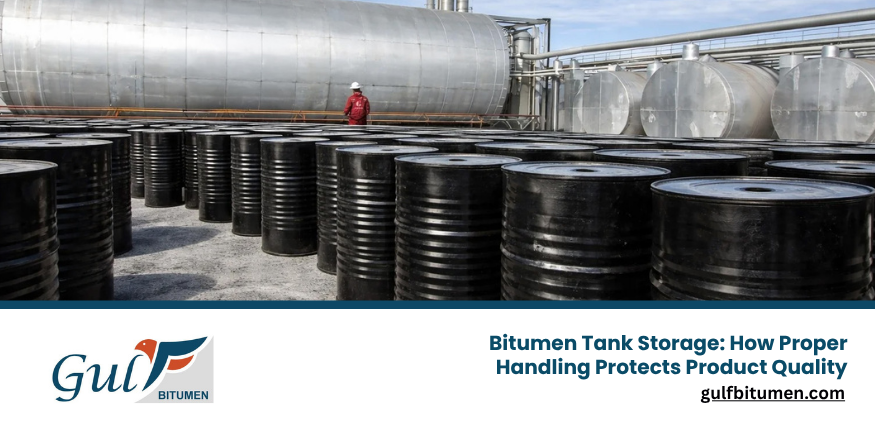
Bitumen is temperature-sensitive, and its performance in road construction, pavement maintenance and wider infrastructure work depends heavily on how it is stored before use. Even a correctly specified grade can arrive at the job site in poor condition if it has been held at the wrong temperature, exposed to moisture or kept for longer than the product allows.
Three things largely determine whether quality is preserved: effective temperature management, storage equipment suited to the grade, and disciplined handling. These choices also feed directly into procurement. Storage requirements influence which bitumen packaging format makes sense for a project, and they shape the true cost behind any quoted bitumen price. Understanding both sides helps buyers protect material quality and control project budgets.
How Bitumen Tanks Help Maintain Product Quality
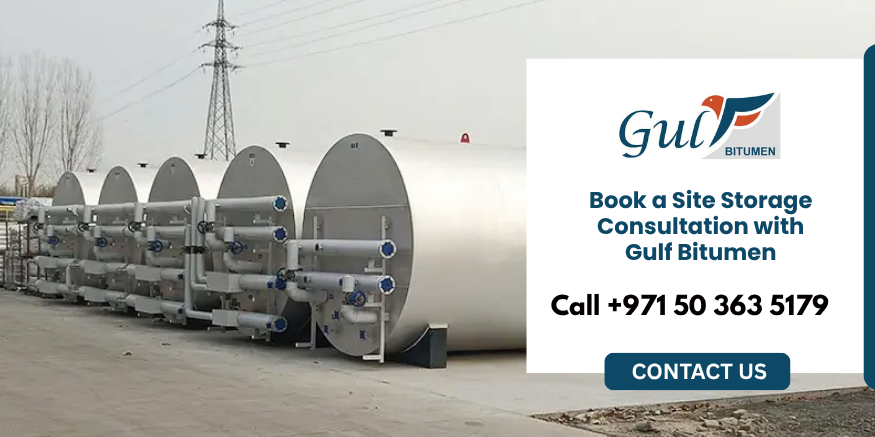
A bitumen tank holds the material in a state where it can be pumped, sampled and supplied to the point of use without changing its properties. Because bitumen is highly viscous at ambient temperature, a tank is more than a container. It is part of a controlled system that keeps the product workable and consistent.
A well-designed installation typically includes:
- Insulation, which reduces heat loss and helps the tank hold a steady temperature with less energy input.
- Heating systems, such as thermal oil coils or other approved heating methods, that bring and hold the material within its recommended range.
- Temperature monitoring uses calibrated sensors and gauges to help operators see the product’s actual condition rather than guessing.
Unsuitable storage conditions can contribute to oxidation, hardening and changes in material properties. Prolonged exposure to heat and air can stiffen the binder, which may affect workability and, ultimately, the finished pavement’s performance. For this reason, select storage equipment to suit the bitumen grade and intended application. A tank arrangement that works well for one grade or end use may not suit another, so the specification and the supplier’s guidance should guide the decision.
Temperature Control and Safe Handling Practices
Maintaining the Correct Storage Temperature
Each bitumen grade has a recommended temperature range for storage and handling, and applications such as paving or sprayed sealing may have their own requirements. Staying within the specified range keeps the material fluid enough to pump while limiting unnecessary change to the binder.
Overheating is a particular concern. Excessive temperature can accelerate ageing and may degrade the material, potentially affecting its properties and performance. Avoid prolonged heating: holding bitumen hot for long periods, especially when not needed for imminent use, increases its exposure to hardening conditions. Wherever practical, match heating schedules to actual demand.
Preventing Contamination and Moisture
Clean storage equipment is essential. Residues from previous products, dirt or foreign materials can alter how bitumen is handled and how it behaves.
Water is a special hazard. When water enters hot bitumen, it can turn to steam, causing foaming and violent expansion that creates both a safety risk and a handling problem. Good practice includes:
- Keeping tank hatches, vents and connections sealed against rain and condensation.
- Checking transfer lines, hoses and fittings for leaks or trapped moisture before use.
- Regularly inspecting tanks, heating coils and seals helps identify faults early.
Contamination can affect handling and application and, over time, may affect the performance of the finished pavement. Prevention is far easier than correcting a compromised load.
Monitoring Storage Duration
Storage time should never be considered in isolation. How long bitumen can be held depends on the temperature it has been kept at, how often it has been reheated and the specification of the particular grade. For this reason, no single storage period suits every product.
Buyers and site teams should keep records of temperature and storage history, follow supplier guidance for each grade, and apply the relevant safety procedures for hot bitumen handling. When in doubt, check the material’s condition and documentation before use.
How Storage Conditions Can Influence Bitumen Price
The quoted purchase price is only one part of what bitumen actually costs a project. Market prices are driven by factors such as crude supply, grade, region and demand, and storage practices alone do not determine them. However, storage and handling choices do affect the total cost of getting usable material to the point of application.
Potential cost implications include:
- Heating requirements: Maintaining temperature consumes energy, particularly if material is held hot for long periods.
- Storage infrastructure: Tanks, insulation, heating and monitoring equipment require investment and upkeep.
- Handling and transportation: Bulk delivery, drum handling and site logistics each carry different labour and equipment costs.
- Material wastage: Contaminated, over-aged or out-of-specification material may need to be downgraded, reworked or discarded.
When comparing quotations, a lower bitumen price in UAE does not necessarily mean a lower delivered cost. Buyers should compare offers on a like-for-like basis, looking at grade, quantity, packaging format, delivery arrangements and the technical documentation supplied. A clear, complete quotation makes it easier to judge real value and to avoid surprises once material reaches site.
Bulk Bitumen vs Packaged Bitumen: What Should Buyers Consider?
The choice between bulk and packaged bitumen affects storage requirements, handling procedures and delivery costs. Neither option is automatically more economical; the right choice depends on the quantity required and the facilities available at the project site.
Bulk bitumen is often practical for projects with regular consumption and suitable heated storage infrastructure. It can reduce the need to handle individual containers, although it requires appropriate unloading arrangements, transfer equipment and temperature management.
Packaged bitumen may be more convenient for smaller projects, intermittent requirements or sites without permanent bulk storage facilities. Depending on the product, it may be supplied in drums or other approved packaging formats. Buyers must account for the space required to store containers, the equipment needed to move them and any product-specific preparation requirements.
Consider these factors before choosing a format:
- Project volume: Estimate the quantity required and how quickly it will be consumed.
- Storage infrastructure: Determine whether suitable bulk storage is available.
- Handling requirements: Check unloading access, lifting equipment and labour needs.
- Delivery arrangements: Consider vehicle access, unloading space and delivery schedules.
- Product specifications: Confirm that the packaging and storage method are approved for the particular grade.
When assessing bitumen packaging options, compare the complete supply cost, including transport, unloading, storage, heating and handling. A lower purchase price may come with additional site costs that change the overall calculation.
Common Bitumen Storage Mistakes to Avoid
Even a suitable storage system can fail to protect product quality if day-to-day procedures are inconsistent.
-
Holding material hot for longer than necessary
Extended exposure to elevated temperatures can accelerate ageing. Plan deliveries and heating around demand, and follow the grade’s recommended storage limits.
- Ignoring temperature monitoring
A single temperature reading may not represent the material’s full storage history. Keep records and investigate unexpected fluctuations rather than relying on occasional manual checks.
-
Overlooking moisture entry
Rainwater, condensation and water remaining in transfer equipment can create serious hazards when they contact hot bitumen. Inspect equipment and follow approved moisture-control procedures.
-
Using unsuitable storage equipment
A bitumen tank or container that is not compatible with the material may create handling, contamination or safety problems. Confirm suitability before receiving the product.
-
Ordering more material than the site can use
Excess stock may increase storage duration, heating requirements and the risk of material becoming unsuitable for its intended use. Base orders on realistic consumption forecasts.
-
Comparing quotations without considering logistics
Differences in packaging, delivery arrangements, unloading requirements and storage needs can make two apparently similar offers difficult to compare. Assess the full supply cost, not just the quoted material rate.
Avoiding these mistakes requires coordination between procurement teams, suppliers, transport operators and site personnel. Storage performance depends on the complete handling process, not just the tank itself.
Protect Quality Before Application
Bitumen quality can be protected or lost long before the material reaches the road. Effective storage begins with suitable equipment, accurate temperature control, protection from contamination and moisture, and adherence to product-specific handling guidance. Each step helps ensure the binder performs as intended once applied.
When planning procurement, buyers should look beyond the headline bitumen price. Assess your storage requirements with Gulf Bitumen, compare bitumen packaging options against your site conditions and consumption rate, and evaluate the delivered cost of each offer. Doing so supports better quality, safer handling and more predictable project outcomes.